1. Landed cost on the right product
Knits, basic wovens, denim and sweater remain competitive against China and often against Turkey once duty and volume are counted. The saving disappears if fabric is late or air freight is used as a habit. We cost from fabric-in, not from a wish.
2. Real industrial depth
Bangladesh is the second-largest apparel exporter globally. That means mills, dyehouses, trim suppliers and sewing units that already run European and US technical standards — if you pick them, rather than the first quote on a directory.
3. Clusters you can specialise in
Knit in Gazipur and Narayanganj. Woven and denim around Dhaka and Chattogram. Sweater capacity with a different calendar. A house that knows the cluster wastes fewer proto rounds.
4. Duty and market access
Preferential access into the EU and UK still shapes many mid-market programmes. Confirm current preference rules on each style; we flag this on the costing sheet rather than assuming it.
5. Compliance language buyers already speak
BSCI, SEDEX / SMETA, WRAP, GOTS, OEKO-TEX, Higg modules and a large LEED factory footprint exist in-country. Certificates expire. We track dates, not PDFs from three seasons ago.
6. China+1 without inventing a country
Procurement teams spreading origin risk need a second base that can actually cut a 5,000-piece order. Bangladesh already does that work every week.
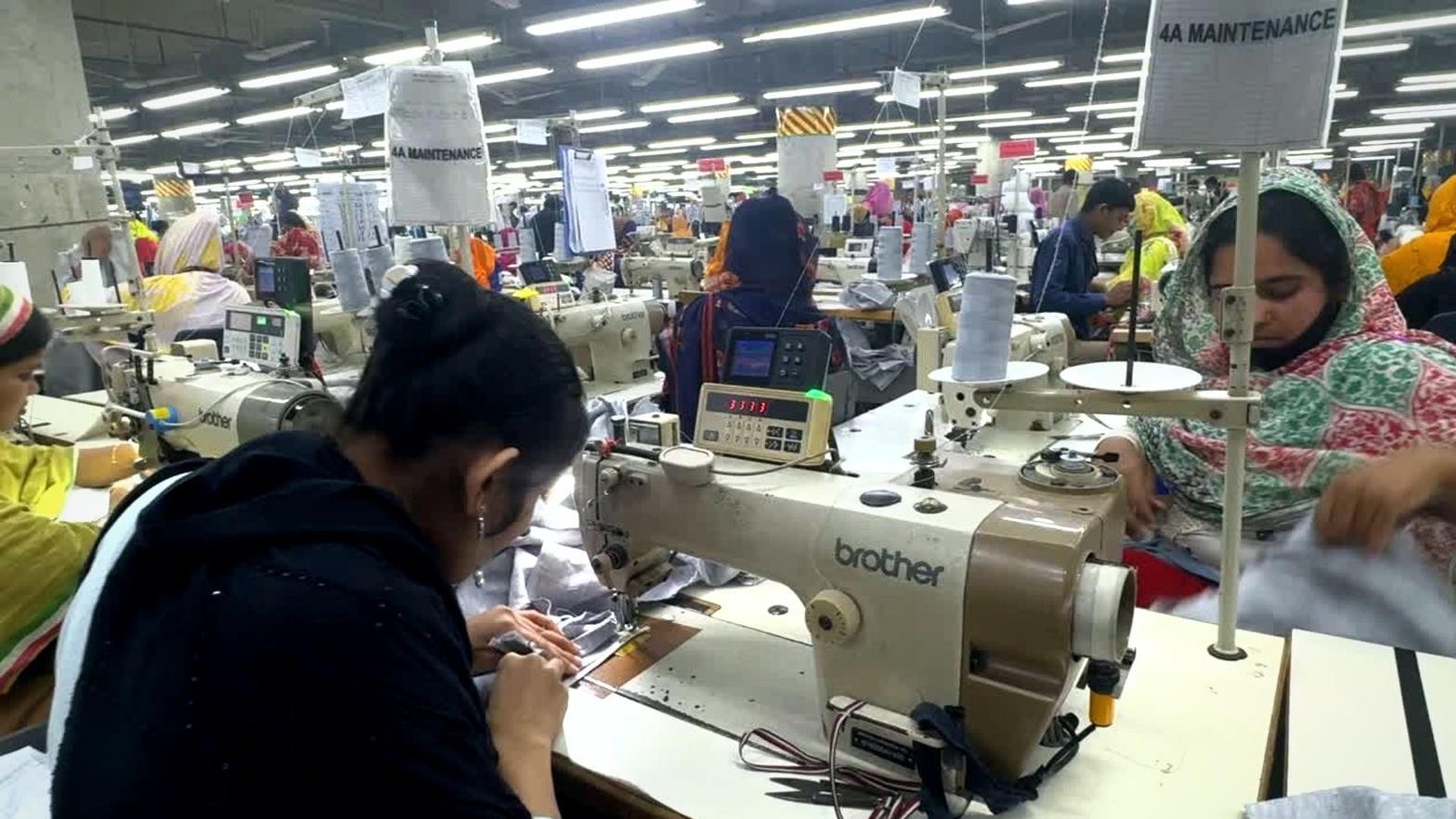
7. Workforce and sewing quality
Basic and mid-fashion sewing is a national skill set. Complicated outerwear and luxury tailoring are a different conversation — we will say so.
8. What is not an advantage
Fantasy 30-day lead times, hidden units, and factories that look cheap because they are financially tight. Those are how seasons slip. We treat factory credit health as part of sourcing, not as gossip.